
Why Decontamination Is the Most Skipped Step
Most detailers wash a car, dry it, and go straight to correction. It looks clean, it feels smooth-ish, so it must be ready — right? Wrong. What you can’t see is killing your results.
Embedded iron particles from brake dust, industrial fallout, and rail dust create thousands of bonded contaminants across every panel. These particles are chemically bonded to the clear coat — no amount of washing will remove them. When you run a polisher over contaminated paint, you’re grinding these particles into the surface, creating new defects while trying to remove old ones.
Decontamination isn’t optional. It’s the bridge between washing and correcting. Skip it, and your correction results will be mediocre. Nail it, and every subsequent step performs at its maximum potential.
Chemical Decontamination: Iron and Fallout Removal
Chemical decontamination targets bonded contaminants that can’t be removed mechanically without risking paint damage. The primary target is ferrous contamination — iron particles that oxidize and bond to the clear coat surface.
A quality iron remover uses a reactive chemistry that dissolves the iron bond without attacking the paint. You’ll see this reaction as a purple or red bleeding effect as the product contacts iron particles. This color change is your visual confirmation that the chemistry is working.
Application technique matters. Spray the iron remover onto a cool, shaded panel and allow 3-5 minutes of dwell time. Don’t let it dry — if the panel is warm or in direct sunlight, mist it lightly with water to extend the dwell time. Agitate lightly with a soft detailing brush to help the chemistry reach embedded particles.
Rinse thoroughly with high-pressure water. For heavily contaminated vehicles — especially white or silver cars near train tracks or industrial areas — you may need two applications. If the product still bleeds purple on the second round, the contamination was severe and you’ve just saved yourself hours of correction headaches.
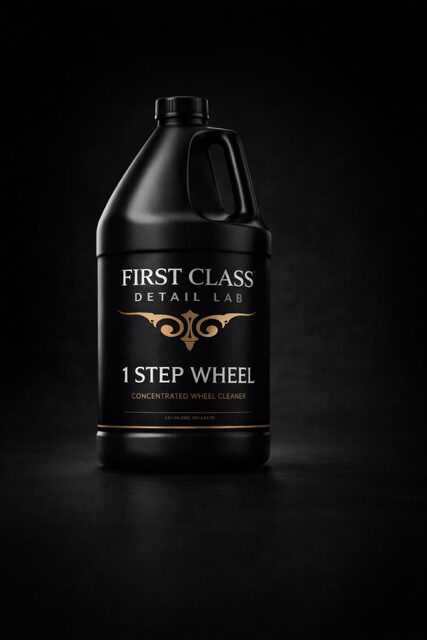
1 Step Wheel
HF Acid Cleaner
1 Step Wheel is an industrial-grade hydrofluoric acid wheel cleaner for extreme brake dust and mineral contamination.
Mechanical Decontamination: Clay, Pads, and Towels
After chemical decontamination, mechanical decon removes the remaining bonded contaminants that chemistry alone couldn’t dissolve. This includes tree sap residue, paint overspray, and stubborn industrial deposits.
Traditional clay bars work but are slow and can introduce marring on softer paint. Clay pads and clay towels are faster alternatives that cover more surface area and can be cleaned and reused. Use a dedicated clay lubricant or your detail spray — never clay a dry surface.
Work one panel at a time with light, consistent pressure. You’ll feel the contamination as resistance against the clay media — a rough, gritty sensation that gradually smooths out as contaminants are lifted. When the surface feels glass-smooth under the clay, that panel is complete.
Inspect your clay media regularly. If it picks up a large contaminant or drops on the ground, fold to a fresh surface or replace entirely. Running dirty clay across paint is worse than not claying at all.
The Wheel Decontamination Process
Wheels accumulate more iron contamination than any other surface on the vehicle. Brake dust — which is literally ground metal — embeds into every pore, crevice, and finish. If you’re not chemically decontaminating wheels before cleaning them, you’re just moving contamination around.
Start with a dedicated wheel decontamination spray on dry wheels. Let it dwell for 3-5 minutes and watch the purple bleed. Agitate with a wheel-specific brush — barrel brushes for behind the spokes, soft bristle brushes for the faces.
For severely contaminated wheels, a two-step process works best. The first step breaks down surface contamination and dissolves the initial layer of bonded iron. The second step penetrates deeper, reaching the embedded contamination that survived the first round. This systematic approach is the only way to truly restore a neglected wheel.
Rinse thoroughly and follow up with your standard wheel cleaner for any remaining brake dust film. The wheel should feel smooth to the touch — any rough texture means contamination remains.
Building Decontamination Into Your Workflow
Decontamination shouldn’t be a separate service — it should be a standard part of every correction and coating job. Build it into your process flow: wash, chemical decon, rinse, mechanical decon, rinse, dry, then inspect and correct.
For maintenance washes on coated vehicles, a quick iron remover spray every 3-4 washes keeps contamination from building up and maintains the coating’s performance. This is also an upsell opportunity — educate your clients on why decontamination maintenance extends their coating’s life.
The professionals who elevate their results aren’t using secret compounds — they’re doing the prep others skip. Decontamination is where the gap between good and exceptional results begins.
Leave a Reply